Plan Your Visit to See From a Bailly Point of View
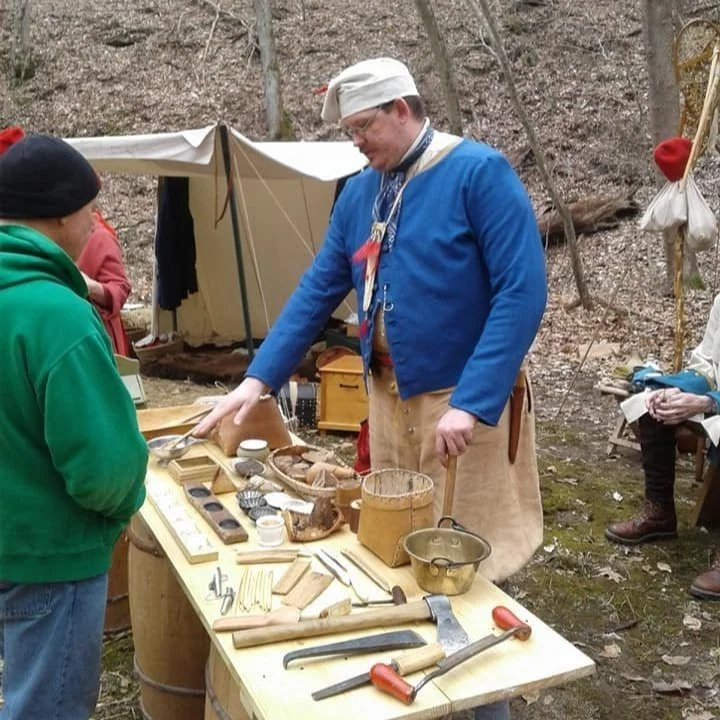
Joseph Bailly looms large in the memory of Porter County. When he established a trading post on the Little Calumet River around 1822, he became the only non-native settler living in this area. His accounts provide some of the earliest depictions of life here. Today, his family’s homestead is a historic landmark explored by generations of schoolchildren and visitors to Indiana Dunes National Park.
Joseph’s life and work were intimately tied to the Native American populations with whom he traded. In fact, both of his wives were métis—of mixed European and Indigenous parentage. Joseph may have been the patriarchal figure, but it was three generations of métis Bailly women—his wife Marie, her daughters and granddaughters—who truly shaped the Bailly homestead and the family legacy.
Families are complex, and the Baillys are no different. Like other immigrant families, their story is full of gritty truths and romantic mythmaking—it snakes its course through joys and hardship, loss and recovery, isolation and community. Many have tried to tell the story before, and the exhibit title, taken from one of these accounts—From a Bailly Point of View—honors the endeavor and acknowledges its hazards.
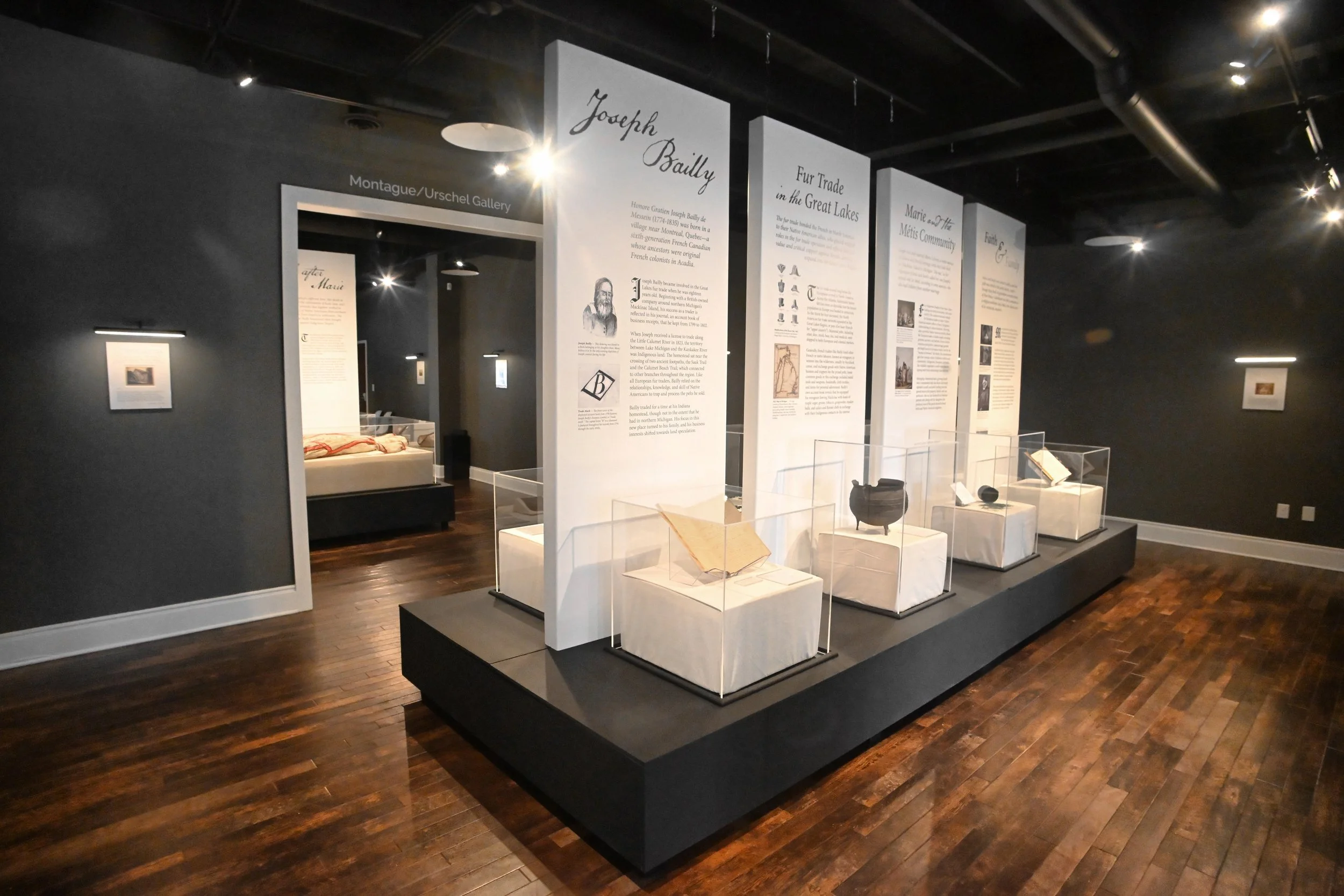
This exhibit focuses on various objects that belonged to the Bailly family to help tell the story and reveal the fascinating intricacies of their lives.